Category: All
-

A Fragrant Walk through Kyoto
Konnichwa! I worked in Kyoto for four years and spent numerous summers thereafter walking the ancient streets, always eager to explore a city I came to know so well. But if you were to visit Kyoto – arguably one of Japan’s most popular destinations thanks to its status as a former capital of Japan; its…
-

In Tappūtī’s Workshop: Scent, Evidence, and Everyday Life in Ancient Assyria
In Tappūtī’s Workshop: Scent, Evidence, and Everyday Life in Ancient Assyria is a proposal for a portable public-history outreach program that will introduce students (ages12+) and their teachers to ancient Assyria through the surviving evidence for Tappūtī-bēlat-ekalle, a woman associated with the preparation of aromatic substances more than three thousand years ago. Developed as an educational…
-

Technicolor Third Space: Developing the AutoEthnographer Literary & Arts Magazine
“In this brief, animated autoethnography, I utilize the concept of a sociocultural third space to consider why evocative autoethnography can benefit from its own literary and arts journal.”
-

Friendship and Imminent Threat in My Ántonia and The Invention of Wings
Friendship and imminent threat are two themes that are emerging concurrently in my reading of Willa Cathers’ My Ántonia and Sue Monk Kidd’s The Invention of Wings.
-
Book Review: The Assyrian (Guild, 1987)
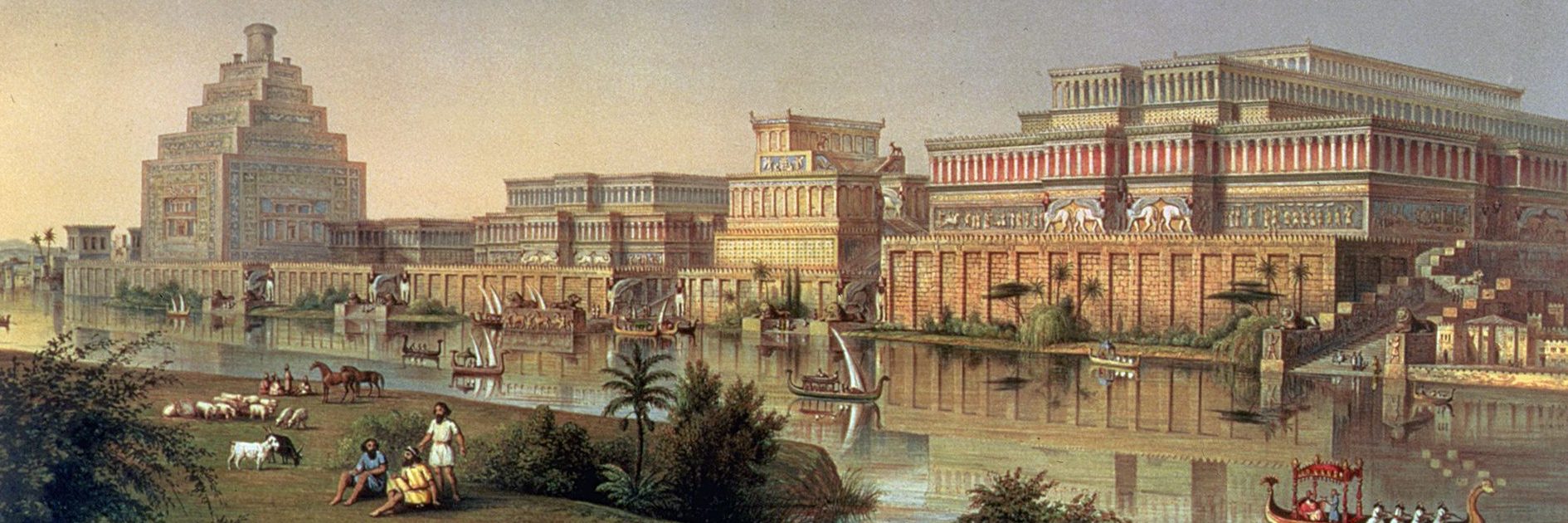
The Assyrian follows two real-life half-brothers from different mothers, Tiglath and Esarhaddon, both sons of the infamous King Sennacherib, one of the mightiest rulers of the Neo-Assy
-

Internal vs. External Characteristics: Anna from The Book of Longings
When building characters, a great strategy I like to use (among others) is to consider both internal and external characteristics.
-
Flash Fiction: Blue Plums
They had all told him the same curious story. Though the men were seen heading inland each night, no one had ever seen them heading back out toward the coast.
-

Flash Fiction: Zashiki Warashi
So, who are you? Well? Do you hear me talking to you? Won’t you say something? Why are you in my house?
-

TV Review: Your Home Made Perfect (BBC 2)
UK home makeover show from BBC2 using virtual reality for immersive previews.
-

How Autoethnography Is Being Utilized to Support Learner Development
This manuscript – a duoethnography – seeks to examine the rationale for the increased use of autoethnography as a tool to promote/support language learner autonomy.
-

Project Coordinator & Writer, The Smithsonian
“In an on-going effort to challenge stereotyping, and correct the current nature of education concerning American Indians, the NMAI will devote the required scholarship to inform and assess these permanent visual statements.”
-
How I Met Tapputi
“Could I really write about a 3200 year old woman, of which we know so very little?”